
Audi & Volkswagen
Carbon Buildup in VW/Audi TSI Engines: What You Need to Know
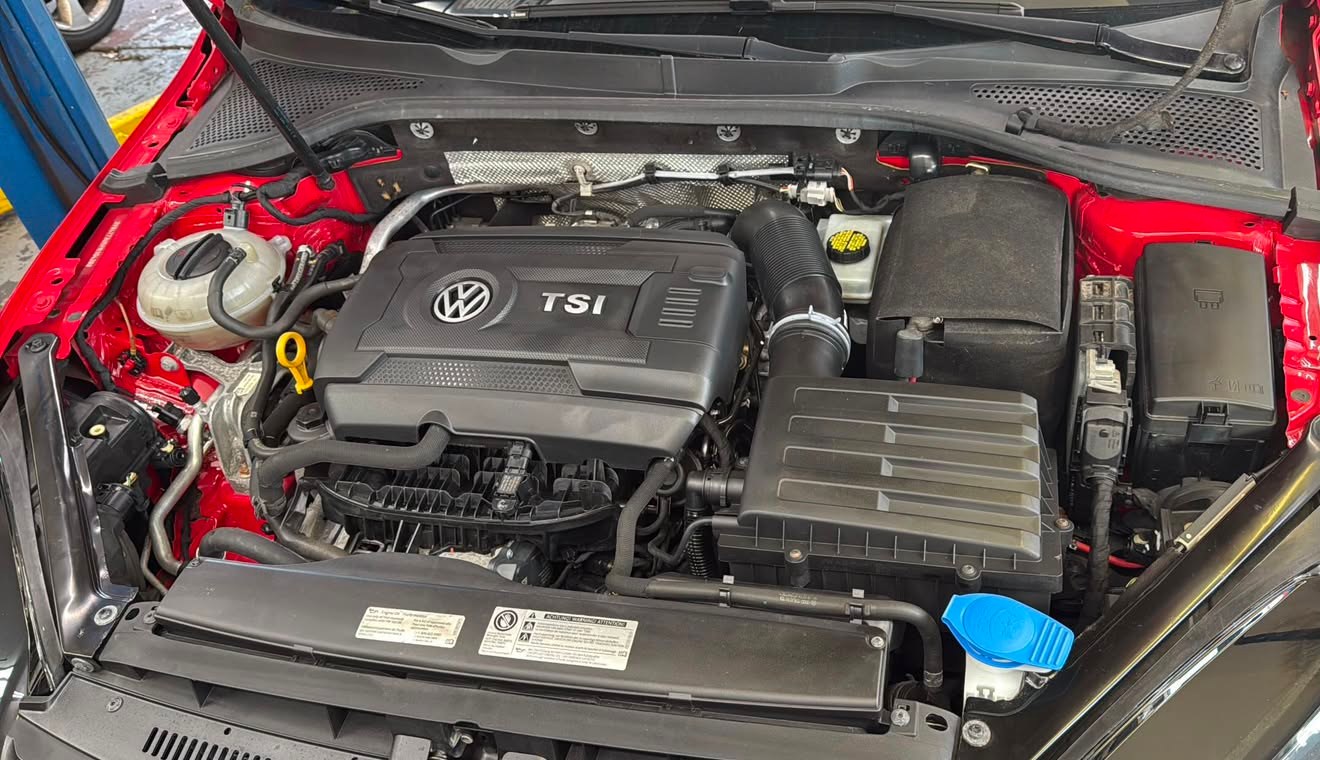
VW and Audi's TSI and TFSI engines use direct injection, spraying fuel straight into the cylinder instead of the intake port. It's a big part of why these engines are so efficient and responsive — but it comes with one well-documented side effect worth knowing about.
Why it happens
On a port-injected engine, fuel constantly washes over the back of the intake valves on its way into the cylinder, which naturally keeps them fairly clean. Direct injection skips that step entirely, so oil vapor from the engine's PCV system is free to settle on the valves and slowly harden into carbon deposits over time.
What it feels like
Carbon buildup tends to show up gradually rather than all at once — a rougher idle, slightly hesitant throttle response, a bit less power than the car used to have, and occasionally a misfire, usually developing over tens of thousands of miles.
How it's addressed
The standard fix is walnut-shell media blasting, which physically cleans the carbon off the intake valves without damaging them. It's done as needed based on how much buildup has accumulated, rather than on a fixed mileage schedule.
Staying ahead of it
Keeping up with quality oil changes on schedule and addressing any PCV system issues promptly both help limit how much oil vapor reaches the intake valves in the first place, which can slow how quickly deposits build back up.
Need this repair? Schedule your appointment today.
Book ServiceRelated Articles
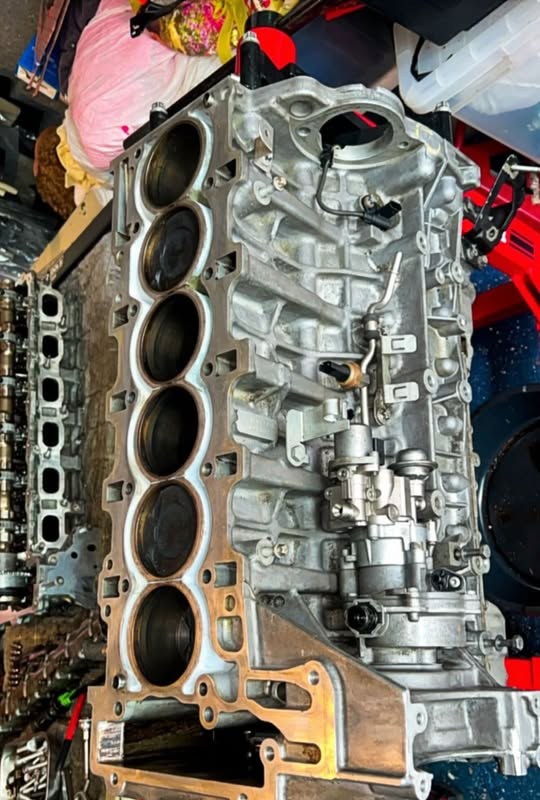
BMW Repair Tips
5 Signs Your BMW Transmission Is About to Fail
Transmission trouble rarely happens overnight. Here are the early warning signs worth paying attention to before a small problem becomes a very expensive one.
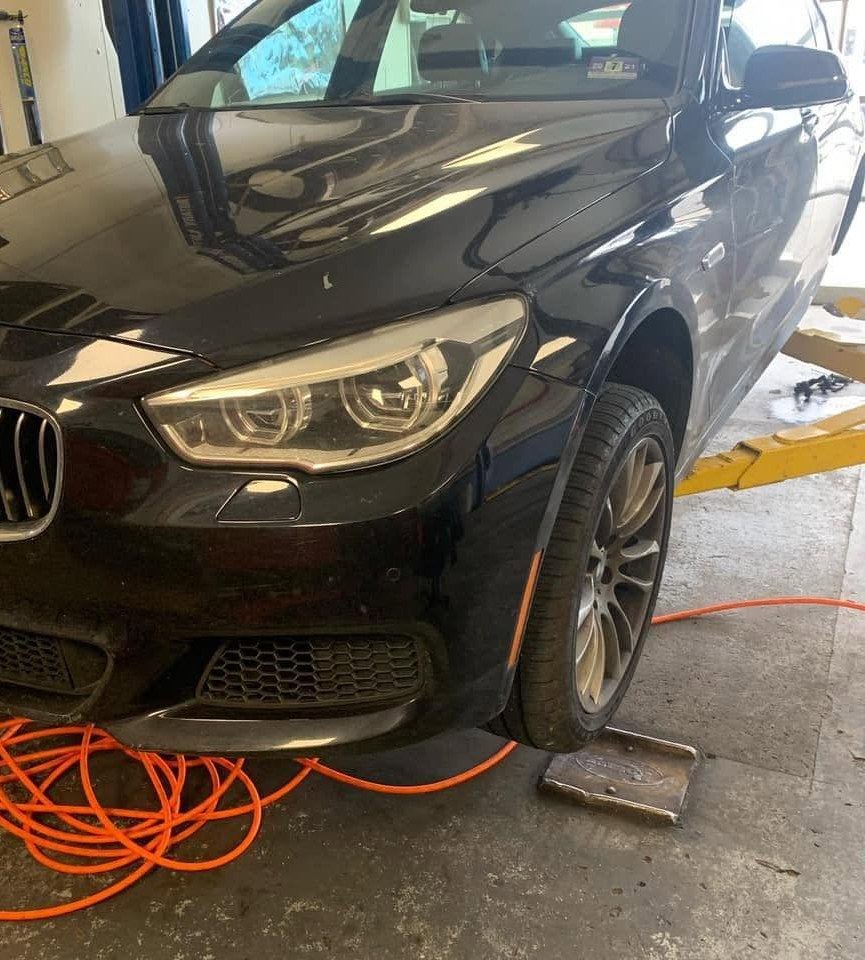
Programming & Coding
Why BMW Battery Registration Is Critical
Swapping in a new battery on a modern BMW isn't a simple drop-in job — skipping registration can shorten the battery's life and cause charging issues down the road.
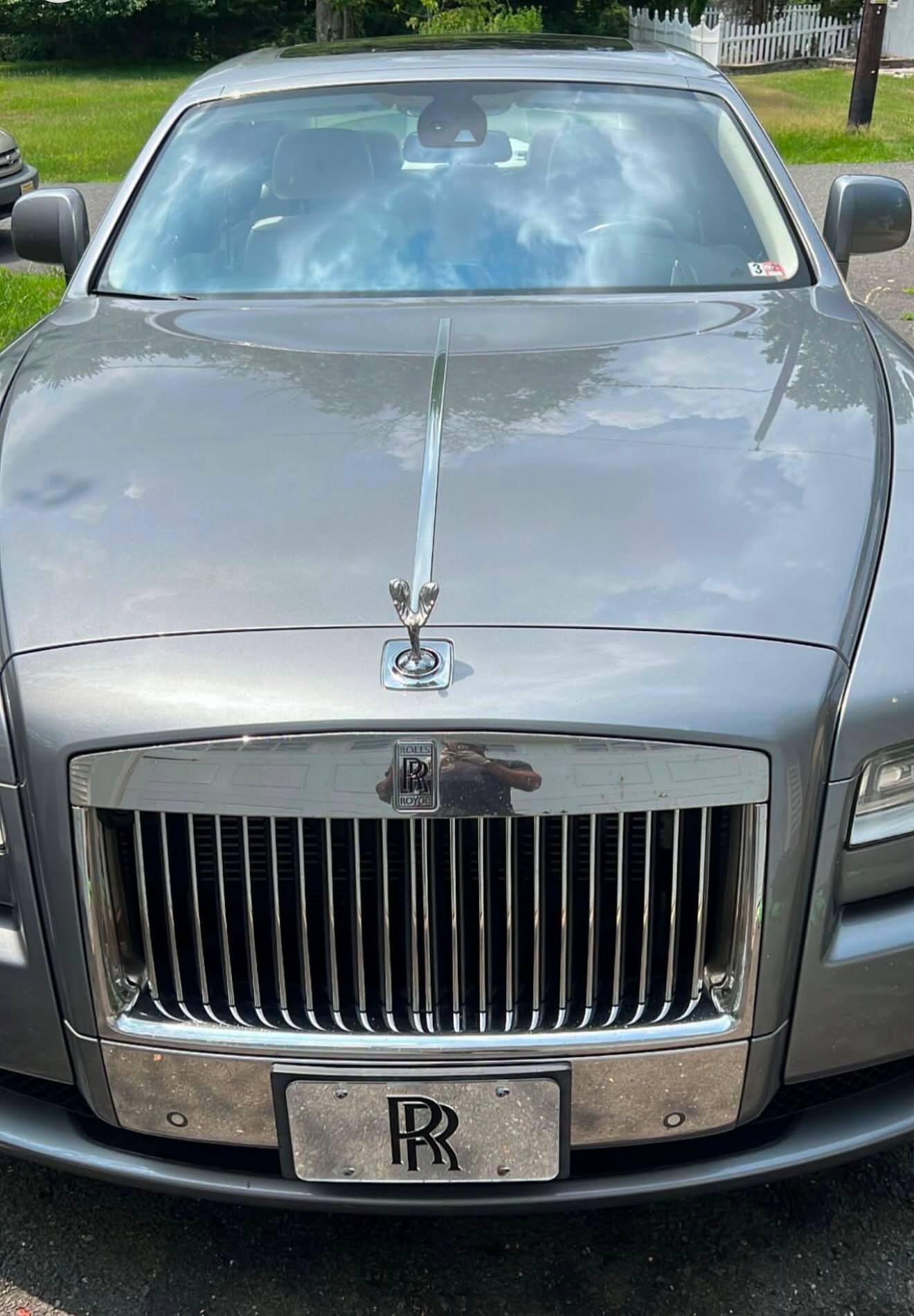
Rolls-Royce Service
Common Rolls-Royce Electrical Problems
Coachbuilt luxury comes with coachbuilt complexity. Here's a general look at where electrical gremlins tend to show up on modern Rolls-Royce models.